iGaming
iGaming Uncovered: From Slots to Poker, What Really Matters
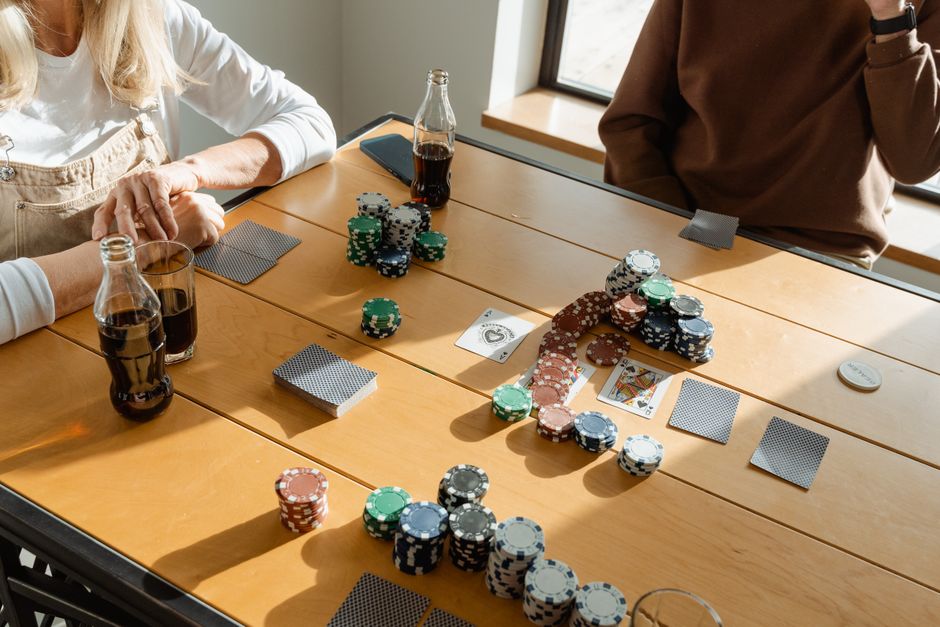
You sit down at a virtual poker table. The flop hits the felt: 7 of hearts, 10 of clubs, queen of spades. Your gut tightens. Somewhere in the back of your mind, a slot machine is blinking, and a sportsbook is offering live odds on a match halfway across the world. This is iGaming in a nutshell — a sprawling, dopamine-laced ecosystem that has quietly become a $100 billion global industry. But beyond the neon and the noise, what actually separates a fun session from a frustrating money pit? Let’s cut through the hype.
The iGaming Landscape: More Than Just Slots
When people hear “iGaming,” they often picture spinning reels. That’s only the surface. The verticals break down into several distinct worlds, each with its own psychology, math, and community:
- Slots: The undisputed volume king. Thousands of titles, from classic 3-reel fruit machines to Megaways monsters with 117,649 ways to win. RTP (return to player) typically ranges from 94% to 97%, but volatility decides your rollercoaster ride.
- Table games: Blackjack, roulette, baccarat. Lower house edges (blackjack can dip under 0.5% with perfect strategy) and a slower pace. Perfect for players who want control, not chaos.
- Poker: The only vertical where you play against other people, not the house. Skill dominates long-term, but variance is brutal. Cash games, tournaments, Sit & Gos — each format demands a different mindset.
- Sports betting: Pre-match, live, and now even micro-bets on the next throw-in. Margins hover around 4–8%, but line shopping and promotions can shrink that edge.
- Live dealer: Real croupiers streamed in HD, with chat and side bets. It bridges the gap between land-based and online, but the rules often favor the house more than digital RNG tables.
Recognizing which vertical suits your temperament is step one. A slots fan chasing jackpots will hate the grind of poker; a blackjack strategist will find Megaways dizzying.
Slots: Volatility, RTP, and the Truth About Jackpots
Slots are engineered to be addictive — bright lights, celebratory sounds, near-misses. But strip that away and you have a random number generator (RNG) spinning millions of outcomes per second. The two numbers that matter most are RTP and volatility.
RTP is the theoretical payback over millions of spins. A 96% RTP slot returns $96 for every $100 wagered — on average, over an infinite timeline. In a single session, you could double your money or lose it all. Volatility tells you how those returns are distributed. Low volatility: frequent small wins, perfect for grinding bonuses. High volatility: long dry spells followed by massive payouts. Games like Book of Dead (96.2% RTP, high volatility) or Starburst (96.1% RTP, low volatility) are classics for a reason. Some of the clearest guidance on this comes from slot mahjong.
Here’s a concrete tip: check the game’s help screen for RTP. Some providers release multiple versions — 94%, 96%, even 97%. Casinos often default to the lowest. A 2% difference might seem trivial, but over 1,000 spins at $1 each, that’s $20 extra in expected losses. Not so trivial now.
Jackpots? Progressive slots link machines across a network, growing until someone hits. The odds are astronomical — often 1 in 10 million or worse. Treat them as lottery tickets, not retirement plans.
Poker: Where Skill Beats Luck (Eventually)
Poker is the great equalizer. You’re not fighting the house edge; you’re fighting other players. The house takes a rake — typically 5% of each pot, capped at $3–$5 in cash games — but if you’re the best at the table, you profit.
Yet most players lose. Why? Because they underestimate variance and overestimate their skill. A winning player can easily endure a 100,000-hand downswing. Bankroll management is non-negotiable. Rule of thumb: never buy into a cash game for more than 5% of your dedicated poker bankroll. For tournaments, keep it under 2% per buy-in.
Three concrete habits separate winners from donors:
- Position awareness: Play tighter in early position, loosen up on the button. The dealer button is gold.
- Pot odds discipline: If you have a flush draw (9 outs) on the turn, you need pot odds of at least 4:1 to call a bet. If the pot is $60 and your opponent bets $20, you’re getting 4:1 — break-even. Add implied odds if you think you’ll earn more on the river.
- Table selection: Why sit with sharks when a table full of recreational players exists? In online poker, you can observe tables before joining. Use that.
Remember: in poker, the goal isn’t to win every hand. It’s to make +EV (positive expected value) decisions repeatedly.
Betting: Odds, Margins, and the Art of Line Shopping
Sports betting has exploded, especially in regulated US states. But the math is simple: bookmakers build a margin into every odds line. A fair coin flip would be +100 on both sides. A book might offer -110 on each — that’s a 4.76% margin, a.k.a. the vig or juice.
To beat the book long-term, you need an edge. That could be superior knowledge, faster information on injuries, or exploiting promotions. But for most, the realistic path is line shopping. Different books offer different odds on the same event. Betting the best price across three or four books can turn a losing bettor into a break-even one. Example: Team A is +150 at Book X and +165 at Book Y. A $100 bet returns $250 vs. $265. Over 100 bets, that $15 difference becomes $1,500.
Also, understand bet types:
- Moneyline: Simply pick the winner. Underdogs pay more.
- Spread: Handicap margins, popular in football and basketball.
- Over/Under: Total points, goals, or runs.
- Prop bets: Player-specific outcomes (e.g., “Will LeBron score 25+ points?”). Higher variance, often softer lines.
Live betting adds another layer — odds shift with every play. It’s fast and exciting, but also where discipline evaporates. Set a loss limit before you start.
Bankroll Management: The Unsexy Superpower
You can be the best slot strategist or poker reader in the world, but without bankroll management, you’ll bust. This is the single most underrated skill in iGaming.
For slots: decide a session budget and stick to it. Divide your total bankroll into at least 20 sessions. If you have $500, that’s $25 per session. Choose bet sizes accordingly — no more than 1% of session budget per spin ($0.25 here).
For poker: 20–30 buy-ins for cash games, 50–100 for tournaments. Move down stakes if you drop below 20 buy-ins. Never play scared money.
For betting: flat betting (1–2% of bankroll per wager) survives cold streaks. Chasing losses with doubled bets is how accounts hit zero.
And here’s a psychological truth: winning feels great, but the house always has an edge in casino games. Your goal isn’t to “beat” the casino — it’s to maximize entertainment value per dollar spent.
The Bottom Line: Play Smart, Not Just Hard
iGaming offers endless entertainment, from the adrenaline of a live dealer blackjack table to the mental chess of a poker tournament. But the difference between a casual hobby and a financial drain comes down to education and self-control. Understand the math behind RTP, rake, and odds. Respect variance. Treat bonuses as what they are — marketing tools with wagering requirements, not free money. And never bet more than you can comfortably lose.
The industry will keep evolving — crypto casinos, VR poker rooms, AI-driven sports models. But the fundamentals won’t change: the house has an edge, the poker table rewards discipline, and the best bettor is the one who walks away when the fun stops. So spin responsibly, bluff wisely, and may your flops be favorable.
Related Articles